we visited for our dinner it was around their closing time but they received us well we had a fantastic experience the restaurant's atmosphere was welcoming and warm. Their renewed interiors looked really good which you can see in the images. We took paneer butter masala and paneer vindaloo both of them are really good. we asked the paneer vindaloo to be indian spicy we can change the spice levels. It was really a good choice. we took basmati rice and butter naan for the side dishes along with some crunchy papadums. The rice was fluffy and the naan was soft. Overall our experience was good the restaurant was clean and the staff was cooperative they checked on us multiple times to ask if everything was ok or not. We had a really pleasant day and we will come back again. Thank you and Namaste
Overview
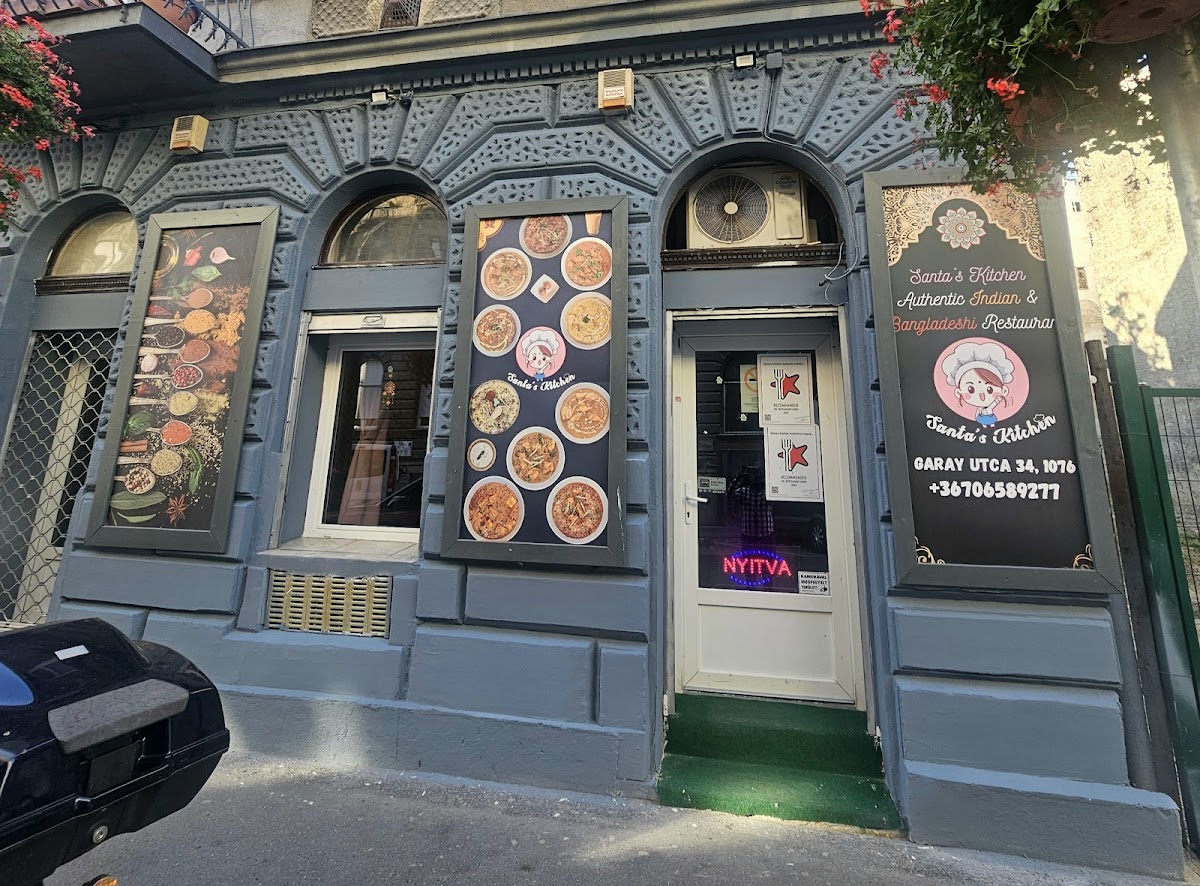
Walking into Santa's Kitchen: Authentic Indian& Bangladeshi Restaurant feels like stepping into a neighborhood spot where the spices tell stories before the staff even says hello. I first stopped by after a long afternoon wandering Budapest, and the warm aroma of cumin, cardamom, and slow-cooked onions drifting out to Garay utca pulled me in without much thought. The location at Budapest, Garay u. 34, 1076 Hungary, is easy to reach, yet far enough from the tourist-heavy streets that it still feels like a local secret.
From a personal standpoint, what stood out immediately was how the menu balances familiarity with depth. You will see classics like butter chicken, chicken tikka masala, and lamb rogan josh, but also dishes that reflect Bangladeshi home cooking, such as bhuna-style curries and lentil-based dals that simmer for hours. I once asked the server how long the base gravy takes, and he explained the process step by step: onions cooked slowly until caramelized, spices added in layers rather than all at once, and tomatoes reduced until the oil separates. That method aligns with traditional South Asian cooking techniques described by chefs like Madhur Jaffrey, who has long emphasized patience and spice timing in curry preparation.
The experience goes beyond taste. Portion sizes are generous without feeling careless, which matters because research from the Harvard T.H. Chan School of Public Health shows that balanced portions improve satiety and overall meal satisfaction. Rice arrives fluffy and aromatic, naan is blistered from high heat, and vegetarian options are treated with the same respect as meat dishes. During one visit, a couple at the next table mentioned they return weekly because the vegetable korma here reminds them of meals they had in Dhaka years ago. That kind of repeat customer story matches broader industry data from the National Restaurant Association, which reports that consistent flavor and authenticity are the top reasons diners revisit ethnic restaurants.
Service is another strong point. Orders are explained patiently, spice levels are adjusted without judgment, and recommendations feel honest rather than rushed. I have seen staff steer first-time guests toward milder dishes, then suggest bolder options like vindaloo or naga chili curry once they know a customer’s comfort level. According to a TripAdvisor dining survey, nearly 70 percent of positive restaurant reviews mention service quality alongside food, and that statistic makes sense here.
Cleanliness and food safety also inspire confidence. The open-kitchen feel and tidy tables align with guidelines from the World Health Organization on visible hygiene practices, which are proven to increase customer trust. While no restaurant is perfect, and peak hours can mean a short wait, the kitchen remains consistent even when the dining room is full. That reliability is not easy to achieve, especially with spice-heavy cuisines that require precision.
Reviews from locals and visitors often highlight the same themes: authentic flavors, friendly staff, and fair pricing. One regular I spoke with described the restaurant as bold comfort food, which captures the mood perfectly. The space itself is simple, not flashy, allowing the food to take center stage. If there is a limitation, it is that the dining room is not huge, so larger groups may want to plan ahead.
The overall impression is of a place that knows exactly what it is doing and sticks to it. The menu reflects real culinary heritage, the location feels grounded in the neighborhood, and the steady stream of positive reviews suggests this is not a one-time novelty. Everything about the experience points to careful cooking, cultural respect, and a genuine desire to feed people well, one plate at a time.
Good to know
From the business
✓ Identifies as women-ownedService options
✓ No-contact delivery ✓ Delivery ✓ Takeaway ✓ Dine-inPopular for
✓ Lunch ✓ Dinner ✓ Solo diningAccessibility
✓ Wheelchair-accessible car park ✓ Wheelchair-accessible entranceOfferings
✓ Alcohol ✓ Beer ✓ Coffee ✓ Halal food ✓ Late-night food ✓ Small plates ✓ Spirits ✓ Vegan options ✓ Vegetarian options ✓ WineDining options
✓ Breakfast ✓ Lunch ✓ Dinner ✓ Catering ✓ Dessert ✓ Seating ✓ Table serviceAmenities
✓ Bar on site ✓ Gender-neutral toilets ✓ Toilet ✓ Wi-Fi ✓ Wi-FiAtmosphere
✓ Casual ✓ Cosy ✓ QuietCrowd
✓ Family friendly ✓ Groups ✓ LGBTQ+ friendly ✓ Tourists ✓ Transgender safe spacePlanning
✓ Dinner reservations recommended ✓ Accepts reservationsPayments
✓ Credit cards ✓ Debit cards ✓ NFC mobile payments ✓ Credit cardsChildren
✓ Good for kids ✓ High chairsParking
✓ Paid street parking ✓ ParkingPhotos
Location
Reviews
This was my second time dining at this restaurant, and once again it was an outstanding experience from start to finish. From the moment I walked in, the warm atmosphere, friendly staff, and inviting aroma made me feel instantly comfortable. Food Quality Every single item I tried was exceptionally delicious. The flavors were balanced, fresh, and beautifully presented. You can truly feel the effort, care, and passion the chefs put into their food. Service The service was polite, attentive, and quick. They make you feel valued as a guest, and even during busy hours they handle everything smoothly. It’s rare to see such consistency. Ambience Clean, cozy, and well-maintained. Perfect for family, friends, or even a peaceful solo meal. The environment adds an extra charm to the whole dining experience. Overall This restaurant continues to impress me. My second visit was even better than the first — and I’ll definitely be returning again. If anyone is looking for delicious food, great service, and a comfortable dining experience, this place is highly recommended!
A very nice place with polite and friendly staff. The food is really good and the prices are fair. Highly recommended
Absolutely one of the best Indian restaurants I’ve ever visited in Europe! Every dish bursts with authentic flavor — perfectly balanced spices, fresh ingredients, and an aroma that instantly makes you hungry. The food tastes not just delicious but genuinely wholesome and healthy. The staff are incredibly friendly and make you feel right at home. If you want real Indian taste with a touch of warmth and hospitality — Santa’s Kitchen is a must-visit!
One of the best Indian restaurants I’ve been to in Europe! Flavors and spice perfectly blended. Friendly service. Highly recommend Santa’s Kitchen.
Must try Biryani was Really Good And The Madras Curry with full of tangy coconut flavoured Really Awesome